
What It Really Means to Be a Medical Parent of Three
A North Texas family raising three medically dependent children shares the reality of G-tube feeding, medical care, and life on the Medicaid waitlist.

State of Care: A life most don't see - Episode 07
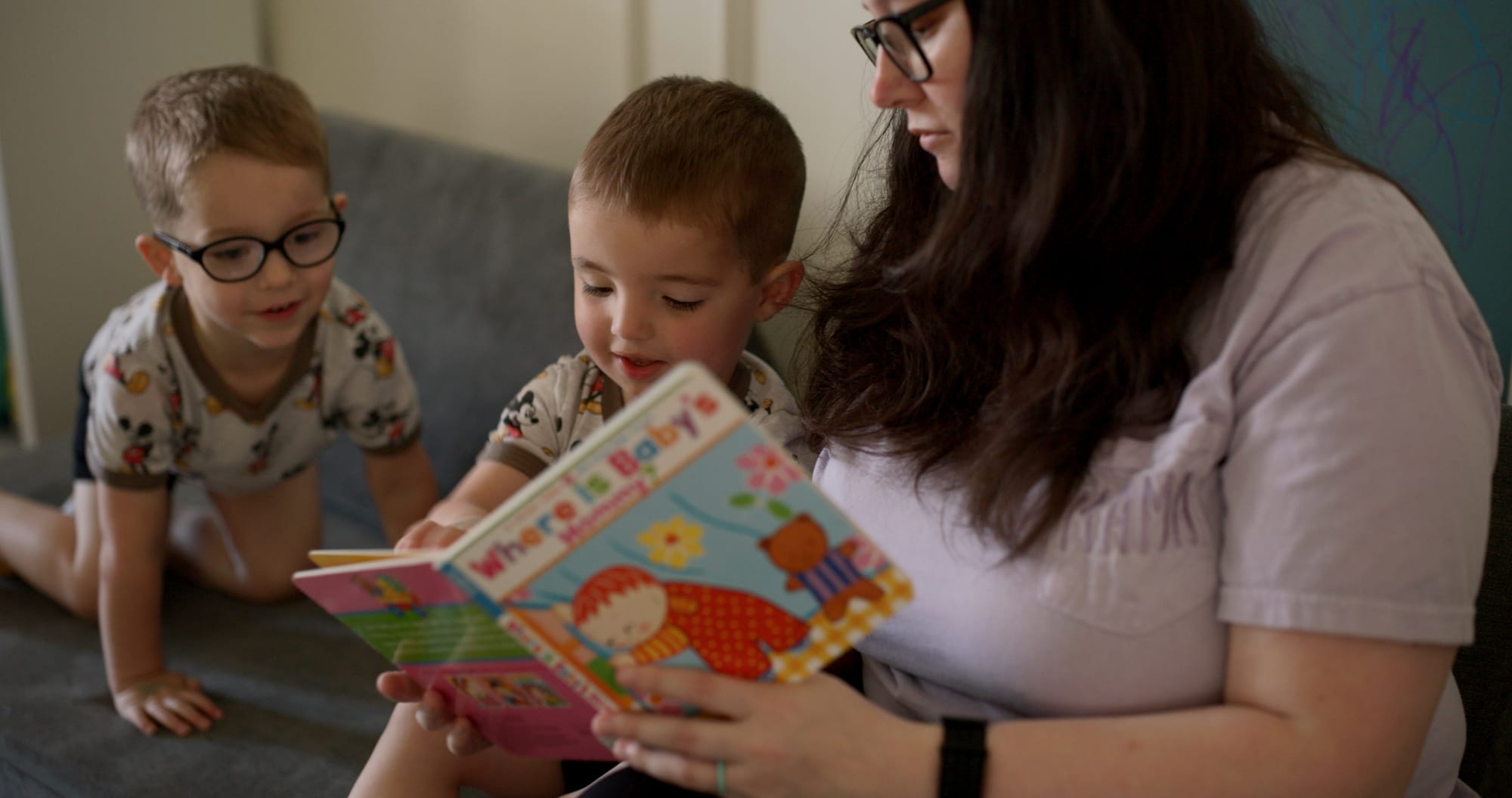
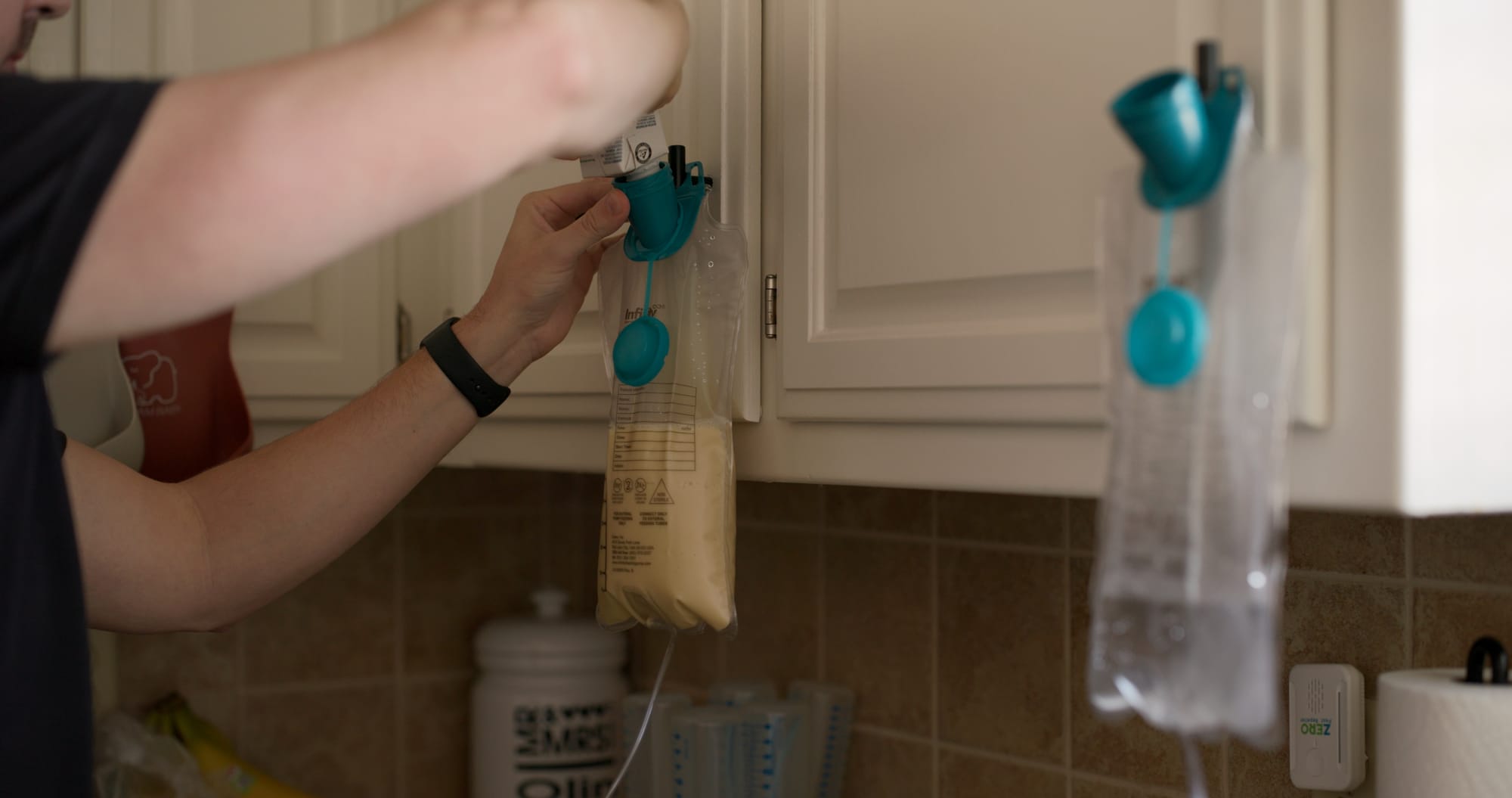
For most parents, feeding their kids every night can feel like a challenge. For the Olin family here in North Texas, it’s something else entirely.
Kayla & John are raising three medically dependent kids in Plano. Twins who are about to turn three, and a four-and-a-half-year-old daughter.
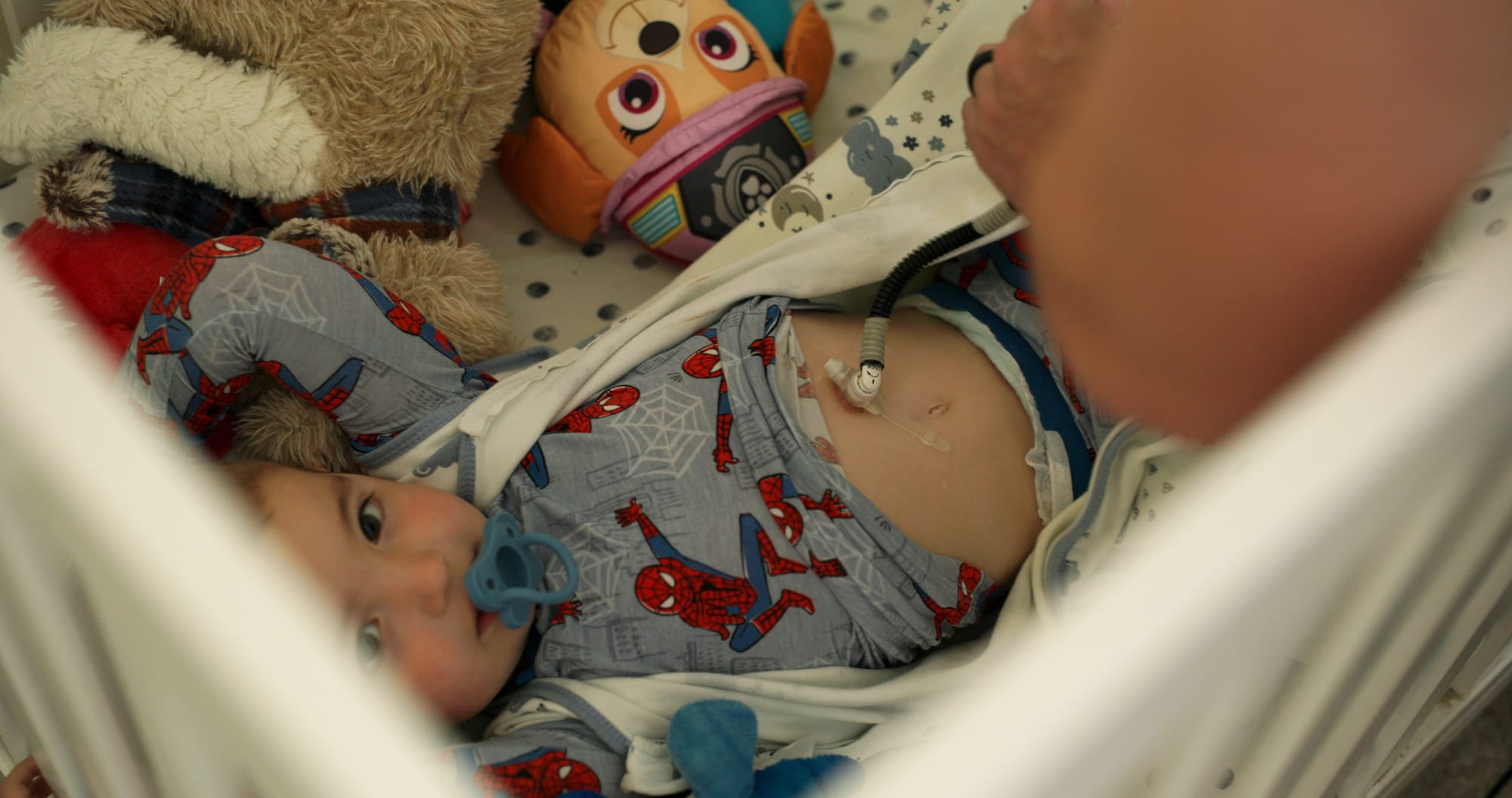
All three are G-tube dependent. This is their everyday life.
If this story moved you, consider making a $100 donation. Every contribution helps ease the weight, from daily care to the things insurance doesn’t cover. It’s a small way to show up for a family carrying a lot.
A life most people don’t see
From the outside, their kids look like any other children, and that’s part of it.
“Because our kids look typical from the outside,” they told me, “people forget what’s actually going on day to day, the struggles, the health, everything we’re managing as a family.”
Their twins were diagnosed with Nemaline Myopathy, starting on NG tubes around five or six months old and transitioning to G-tubes by the time they turned one. Their daughter’s path looks different but just as complex. She’s diagnosed with autism, anxiety, sensory processing disorder, and ARFID, all of which play a role in why she relies on tube feeding.
The weight of constant care
At one point they were juggling more than 15 medical appointments every single week. Therapies, specialists, sleep studies, follow-ups, fifteen.
Things have stabilized some, but the load didn’t go away, it just shifted, and they’re carrying it mostly on their own. They tried to line up in-home nursing, did the interviews, took the calls, got everything ready, and then came the reality, their commercial insurance wouldn’t cover it.
The only option was a Medicaid waiver. They’ve been on that waitlist for two years, and until their number comes up there’s no in-home nursing support.
“So we’re doing it all ourselves,” they said, “because it’s basically impossible to get that help without getting off the Medicaid waitlist.”
The financial side no one talks about
The emotional weight is heavy, and the financial side doesn’t let up either. They hit their annual out-of-pocket max, $10,000, by February almost every year, and that’s just for what insurance agrees to cover. Everything else comes out of pocket. Therapies, equipment, ongoing care. They’re a single-income household.
“It’s a strain,” they said, and on top of that Mom has her own medical needs, most of which aren’t covered.
Fighting the System Just to Be Seen
Getting help is its own full-time job. Programs like MDCP require months of paperwork, doctor’s notes, evaluations, and documentation stacked on documentation. Then you’re told to present your child at their absolute worst.
Hallie, who we’ve been filming with since November, and sharing her son Callahan’s story, visited the Olins and sat down with Kayla.
“Think about the worst day they’ve ever had,” Hallie said. “That’s how you fill it out.” If you don’t, the system might decide everything is fine. It’s a strange and painful reality—having to relive your hardest days just to prove you need help.
Love, without conditions
And still, none of this is how they define their kids.
You can feel that in the way they talk, in the way they show up, through feeding schedules, appointments, paperwork, long waitlists, that’s what carries them, not because it’s easy, but because it’s theirs.
Why this matters
Families like the Olins are all around us, here in Plano, McKinney, and across North Texas, most people just don’t see them. They’re navigating systems that weren’t built for them, carrying a weight that doesn’t clock out at the end of the day, and they keep going.
Telling stories like this honestly, without smoothing the edges, is how we start to understand what life actually looks like for families like theirs and why it matters that we pay attention.
Explore the full “State of Care” series to see real stories from North Texas families navigating complex medical care.